The Marketing Automation Playbook for 2026
From lead nurturing to AI-powered personalization, here's how modern businesses are using automation to scale their marketing without scaling their team.
Marketing teams are being asked to do more with less. More channels, more personalization, more content — all with the same headcount. Automation isn’t a luxury anymore. It’s the only way to keep up.
But “marketing automation” has become a catch-all term that means different things to different people. For some, it’s email drip campaigns. For others, it’s a full-stack orchestration layer that connects every customer touchpoint. Let’s cut through the noise and talk about what actually works in 2026.
The Foundation: Data Before Automation
Before you automate anything, you need clean data. This is where most companies stumble. They buy an automation platform, build elaborate workflows, and then wonder why nothing performs.
The foundation looks like this:
- Unified contact records — every lead and customer should have a single profile that aggregates data from your CRM, website, email, and support tools
- Defined lifecycle stages — what makes someone a lead vs. a marketing qualified lead vs. a sales qualified lead? If your team can’t agree on definitions, automation will amplify the confusion
- Tracked touchpoints — which pages did they visit? What emails did they open? What content did they download? You can’t personalize what you can’t see
Get these right and automation becomes powerful. Skip them and you’re just sending bad emails faster.
The Plays That Work
1. Lead Nurturing Sequences
The classic — and still one of the highest-ROI automations you can build. When someone downloads a resource, signs up for a webinar, or fills out a contact form, they enter a nurture sequence tailored to their interest and stage.
The key is relevance. A CEO researching cybersecurity solutions doesn’t want the same emails as a developer evaluating your API. Segment by role, industry, and behavior — then write sequences that speak to their specific concerns.
2. Behavioral Triggers
Move beyond time-based sequences to behavior-based triggers:
- Pricing page visit → notify sales team immediately
- Three blog posts read in one session → offer a related case study
- Cart abandonment → send a reminder with social proof
- Support ticket closed → trigger a satisfaction survey
These triggers feel natural to the recipient because they’re responding to real actions, not arbitrary timelines.
3. AI-Powered Content Personalization
This is where 2026 diverges from previous years. AI models can now dynamically adjust email subject lines, landing page copy, and product recommendations based on individual user profiles.
The practical applications:
- Dynamic email content blocks — the same campaign shows different case studies to different industries
- Predictive send times — AI determines when each contact is most likely to engage
- Subject line optimization — test hundreds of variants in real-time, not just A/B testing two options
- Lead scoring — machine learning models that predict conversion likelihood based on behavioral patterns
4. Cross-Channel Orchestration
Email alone isn’t enough. Modern automation orchestrates across:
- Email sequences
- SMS/messaging for time-sensitive notifications
- Retargeting ads synced to lifecycle stage
- In-app messaging for product-led growth
- Direct mail triggers for high-value accounts
The magic is in the coordination. When someone receives your email, sees your ad, and gets a LinkedIn message all saying slightly different things on different timelines — that’s not orchestration, that’s chaos. True orchestration ensures each channel reinforces the others with consistent messaging and appropriate frequency.
Measuring What Matters
Vanity metrics kill automation programs. Open rates and click rates tell you something, but they don’t tell you enough. Focus on:
- Pipeline generated — how much revenue did automation-sourced leads create?
- Time to conversion — are nurtured leads converting faster than non-nurtured ones?
- Customer acquisition cost — is automation reducing your CAC over time?
- Engagement depth — are contacts progressing through lifecycle stages, or stalling?
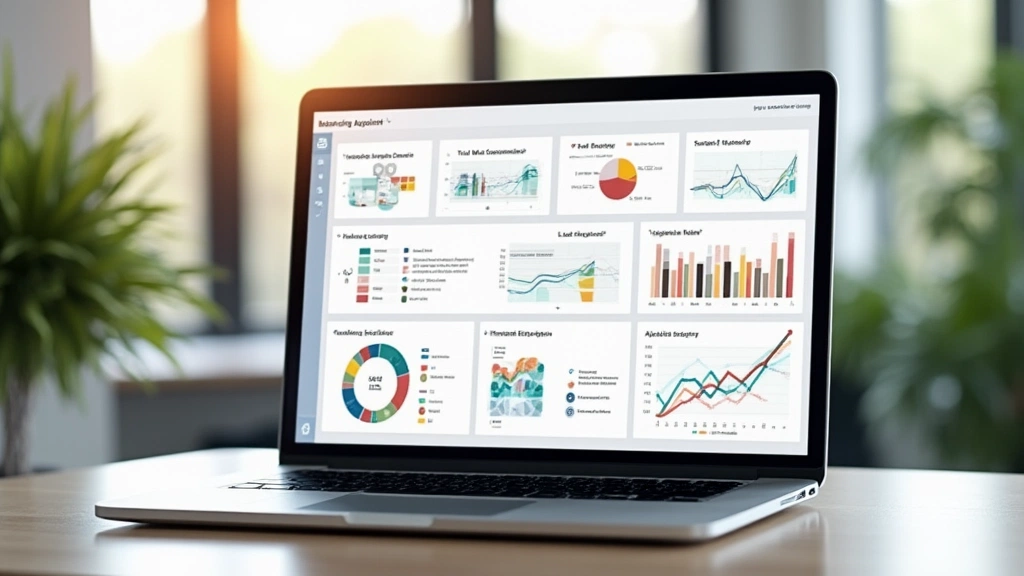
Build dashboards that connect marketing activity to revenue outcomes. If you can’t draw a line from an automation to pipeline dollars, question whether it’s worth keeping.
The Build vs. Buy Decision
You don’t need a $50,000/year platform to start. Here’s a practical framework:
Start simple if you have fewer than 5,000 contacts and a small team. Tools like Brevo, Mailchimp, or ConvertKit handle basic automation well. Focus on 2-3 core workflows and execute them excellently.
Scale up when you need multi-channel orchestration, advanced segmentation, or deep CRM integration. This is where platforms like HubSpot, ActiveCampaign, or Customer.io earn their price tag.
Go custom when off-the-shelf tools can’t handle your data model, compliance requirements, or integration needs. This usually means combining best-in-class point solutions with custom middleware.
Start With One Play
The biggest mistake is trying to automate everything at once. Pick the play that addresses your biggest bottleneck — usually lead nurturing or behavioral triggers — and build it well. Measure the results. Then expand.
Automation compounds over time. Every workflow you build frees up capacity for the next one. Six months from now, you’ll wonder how you ever operated without it.